BetaCrew
Project
Dashboard Redesign
Timeline
4 weeks
Role
Freelance UX/UI Designer
Company
BetaCrew
👀Overview
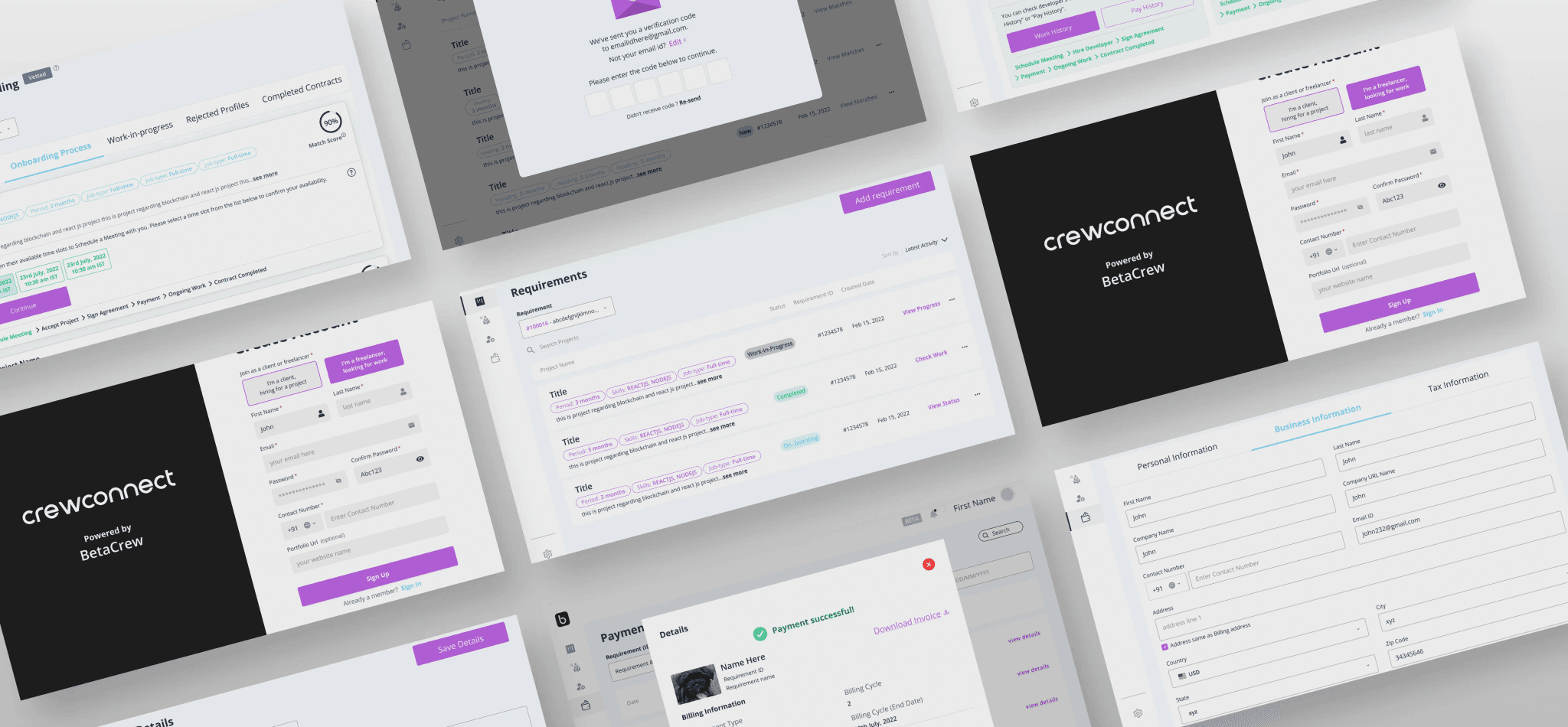
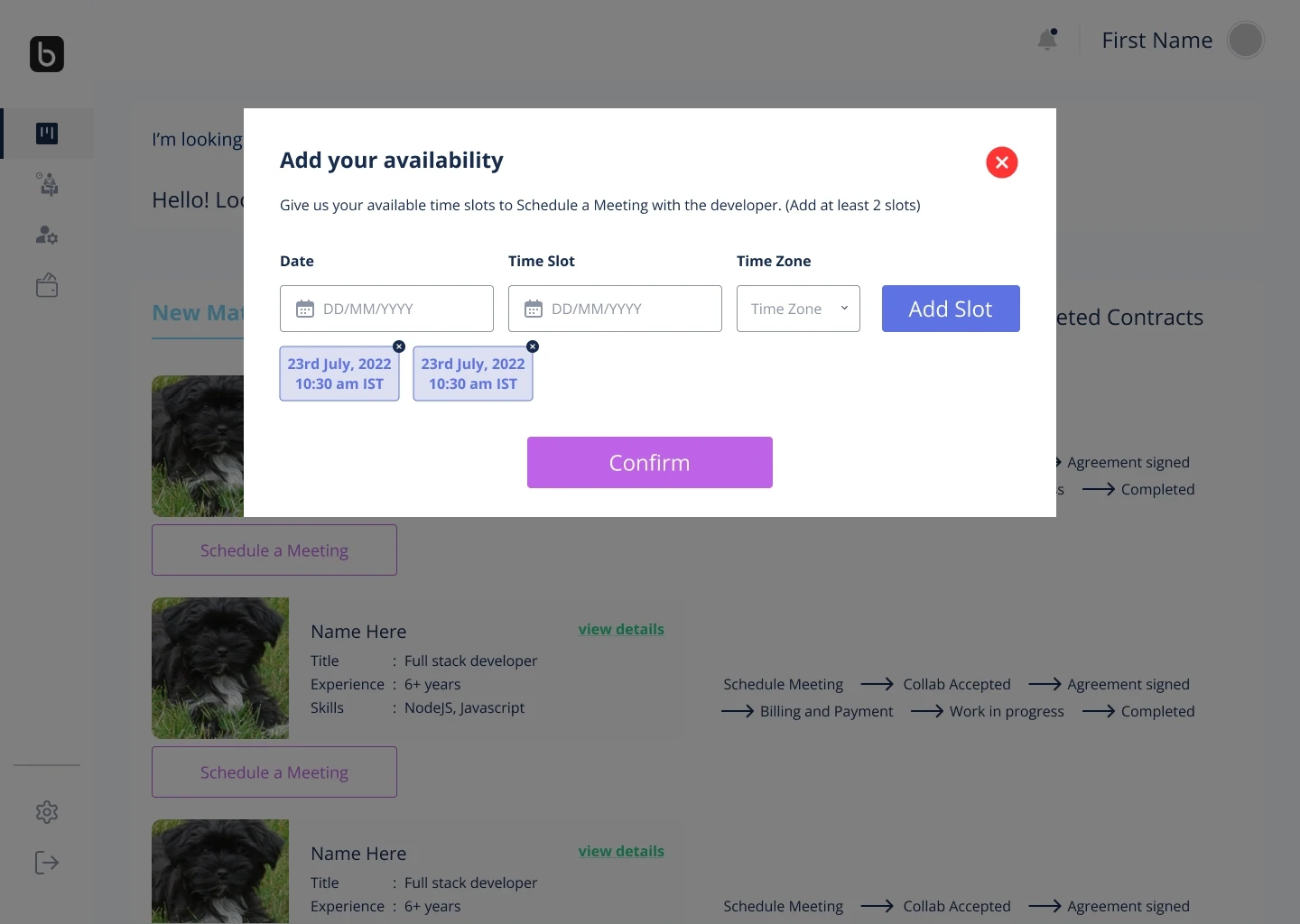
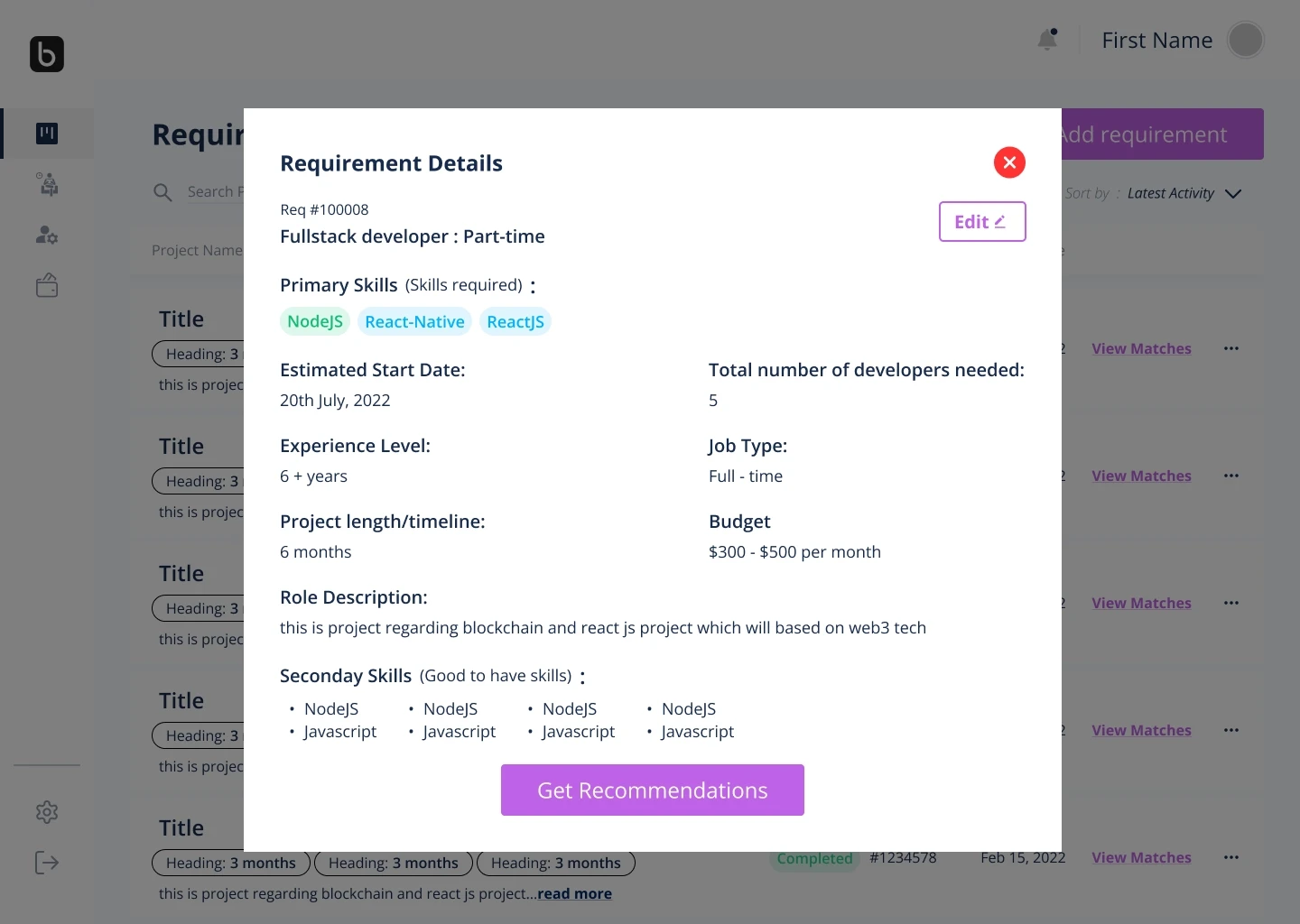
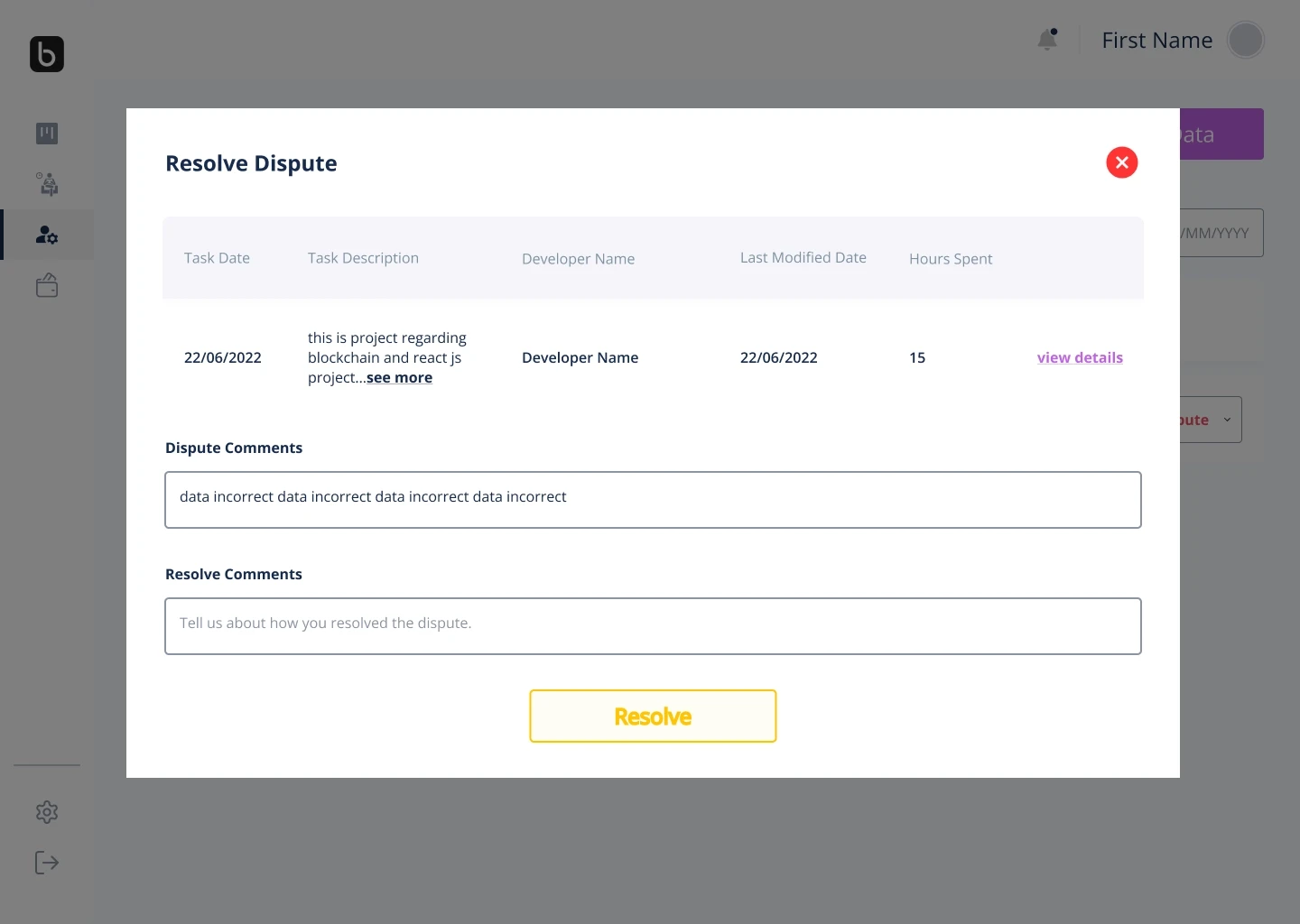
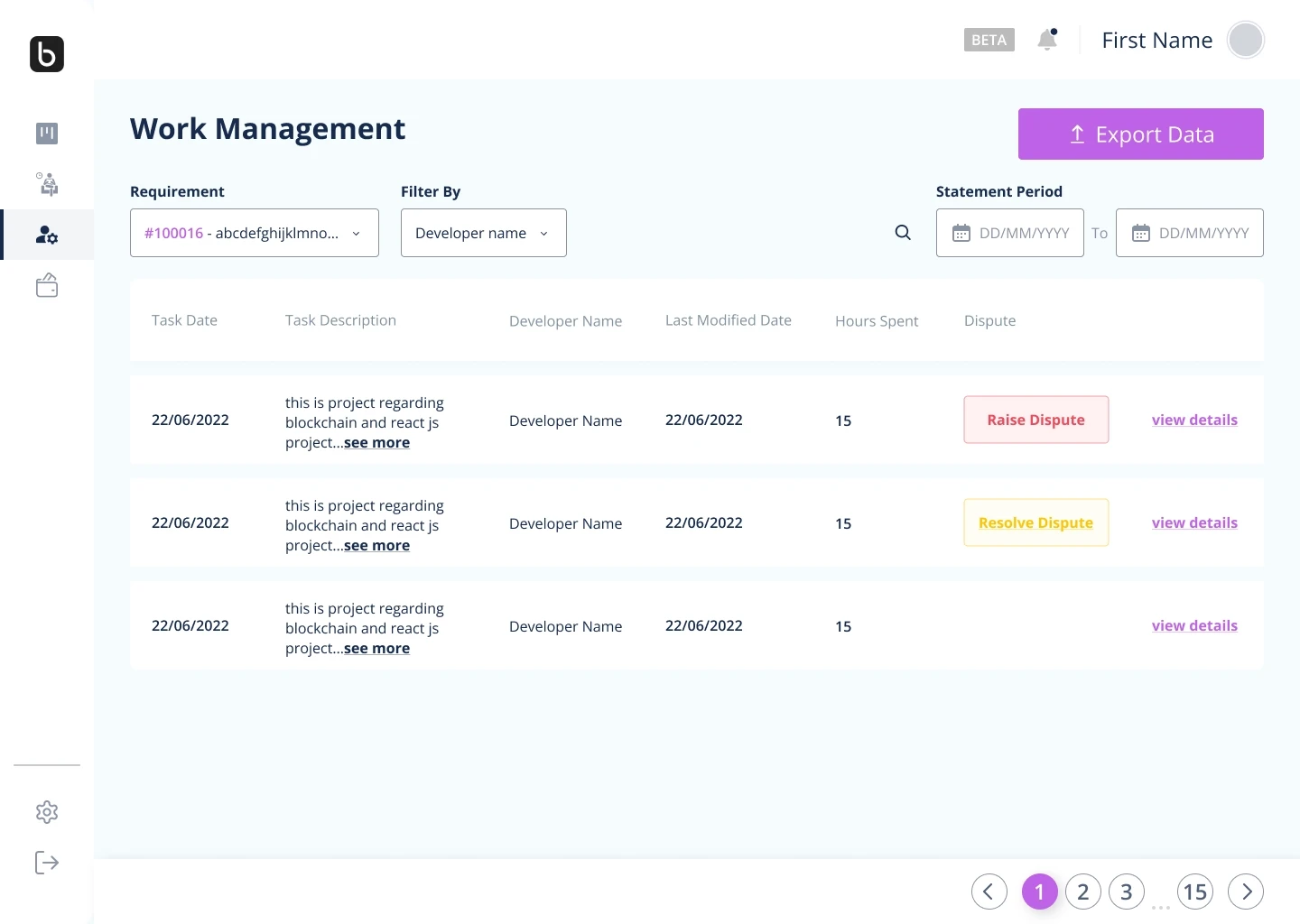
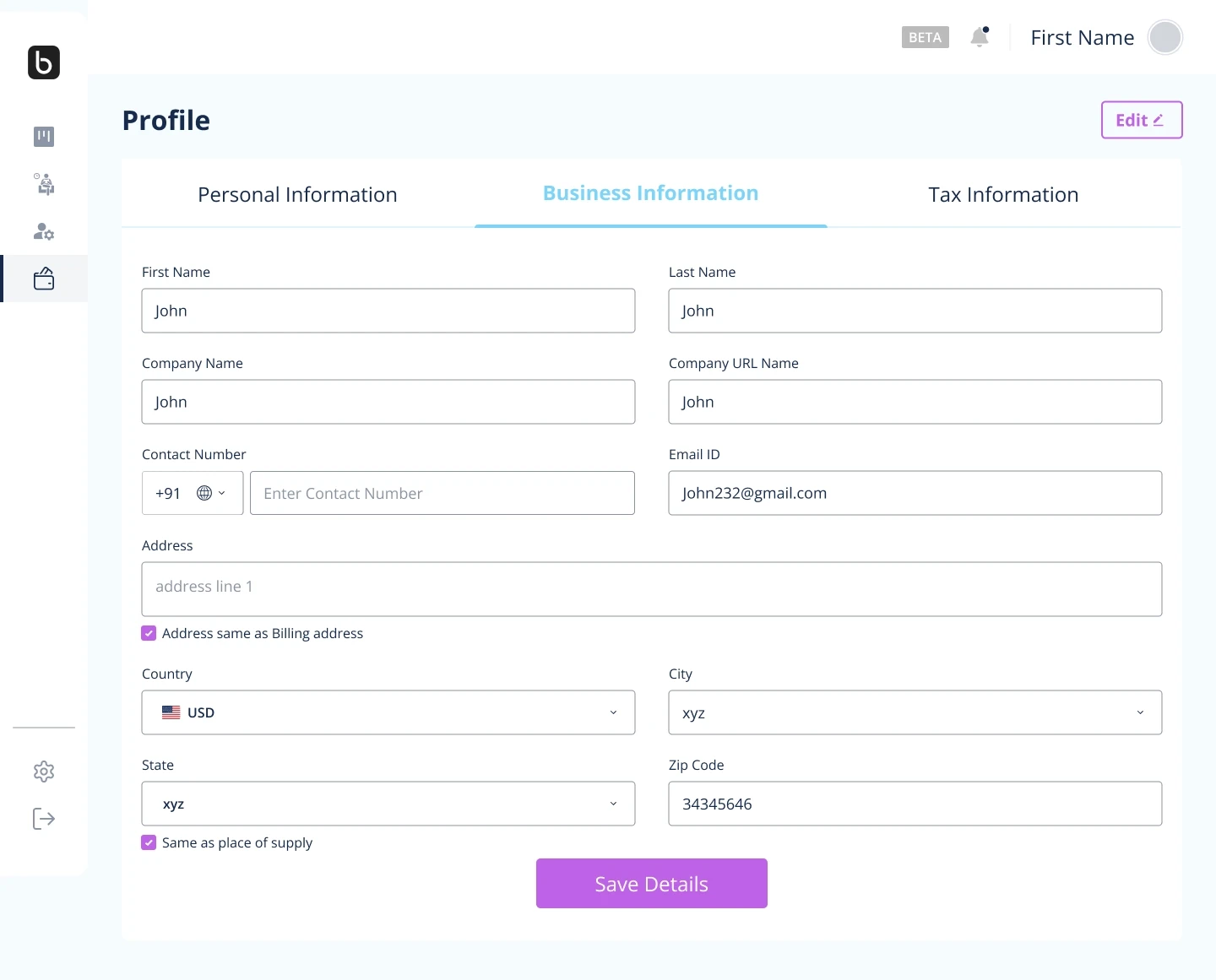
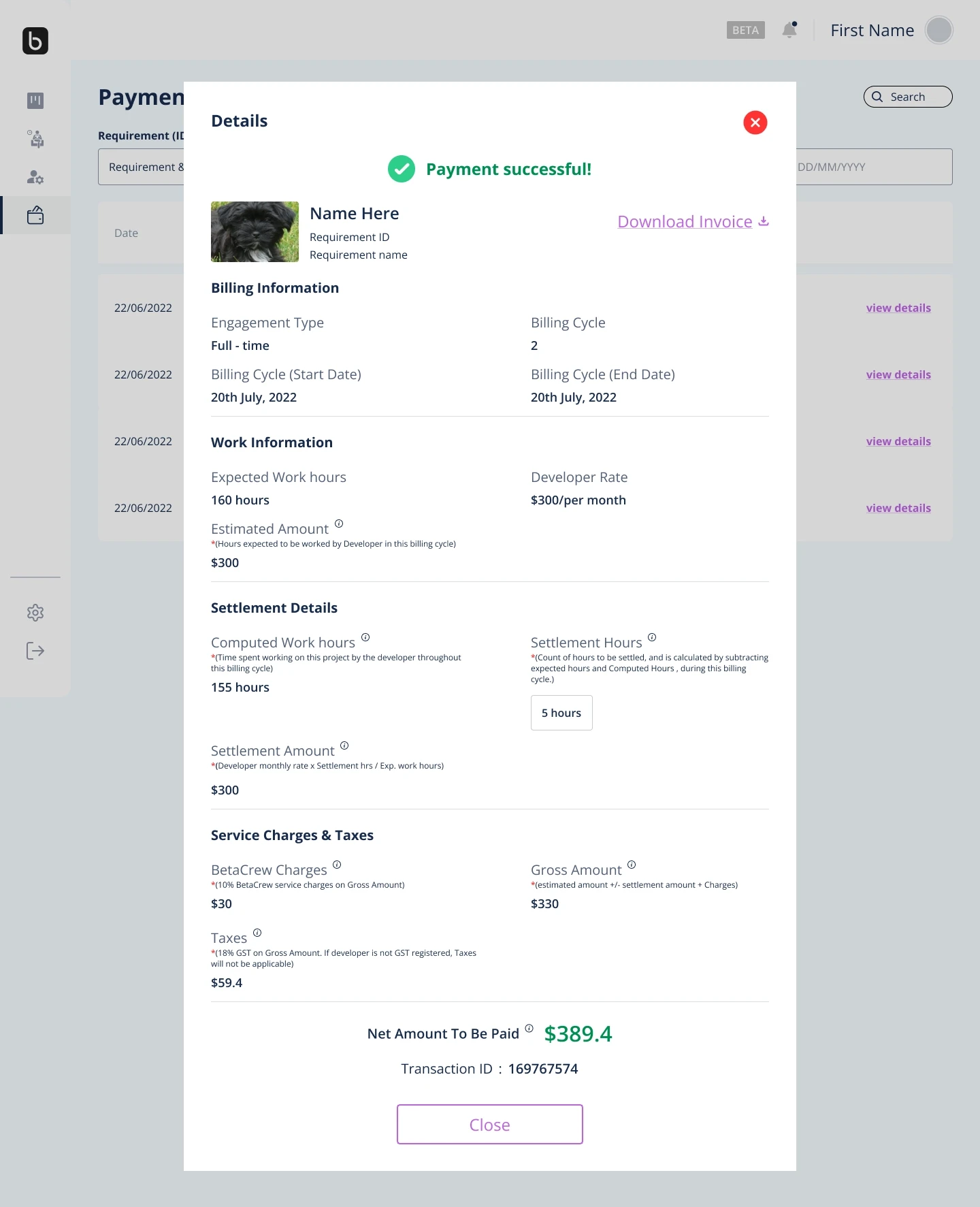
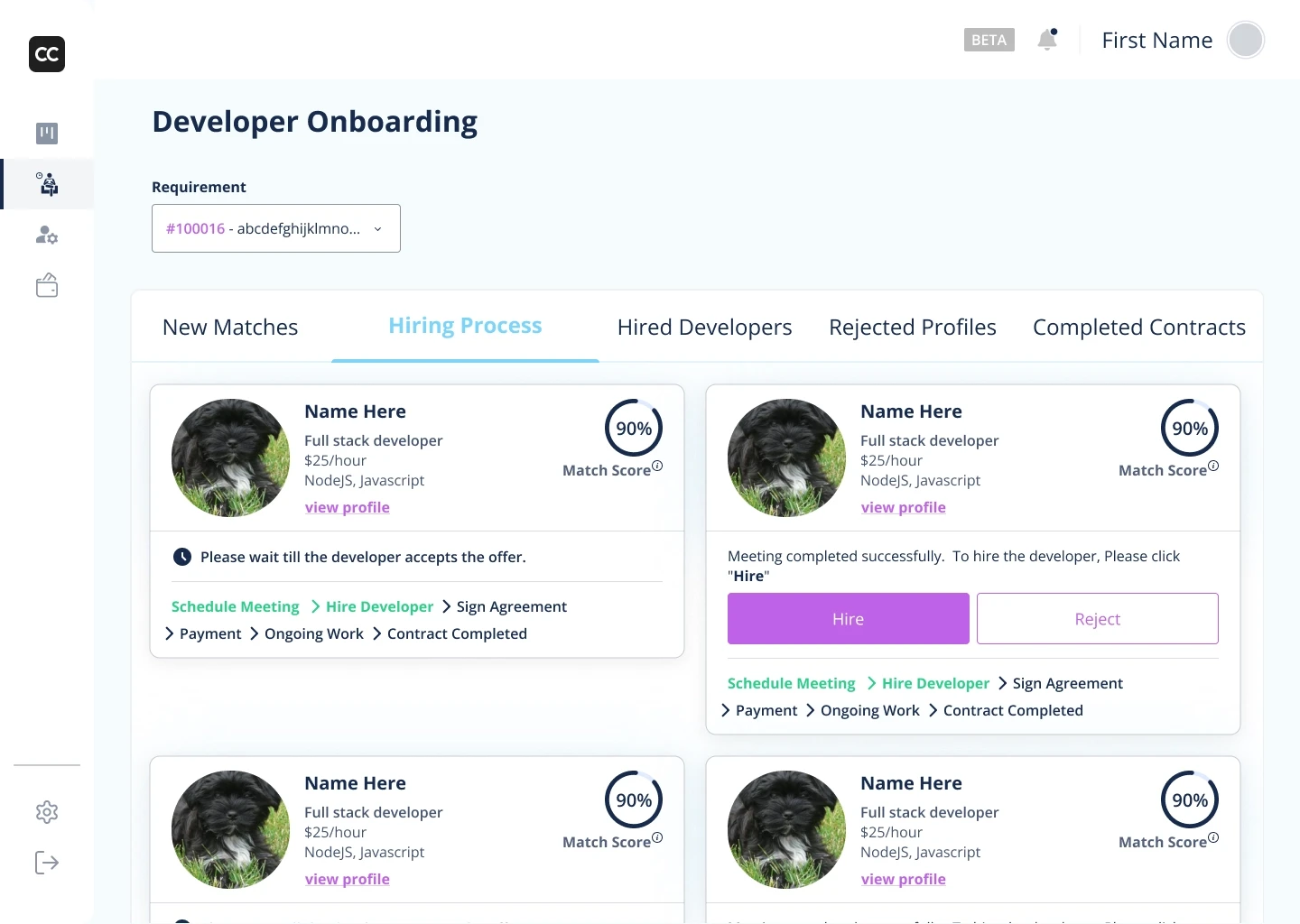
Betacrew is a growing startup that connects skilled developers with businesses looking to hire talent. As a freelance UX/UI designer, I was brought on to design an internal dashboard for three key user groups — developers, admins, and clients. The goal was to make the dashboard easier to use, visually cohesive, and create a smoother connection between clients and developers.
📋Problem Statement
The existing workflow for hiring and managing developers lacked clarity. Users found it difficult to navigate different sections, track progress, and manage billing efficiently. Betacrew needed a dashboard that not only simplified complex information but also made communication and collaboration effortless.
🎯Goal
To design an intuitive and cohesive dashboard system where developers, clients, and admins could easily interact, manage projects, and track financial and communication details, all in one place.
🔎Research
Since I joined the project as a freelancer, I began by understanding the requirements from the PM and reviewing how different users would interact with the platform.
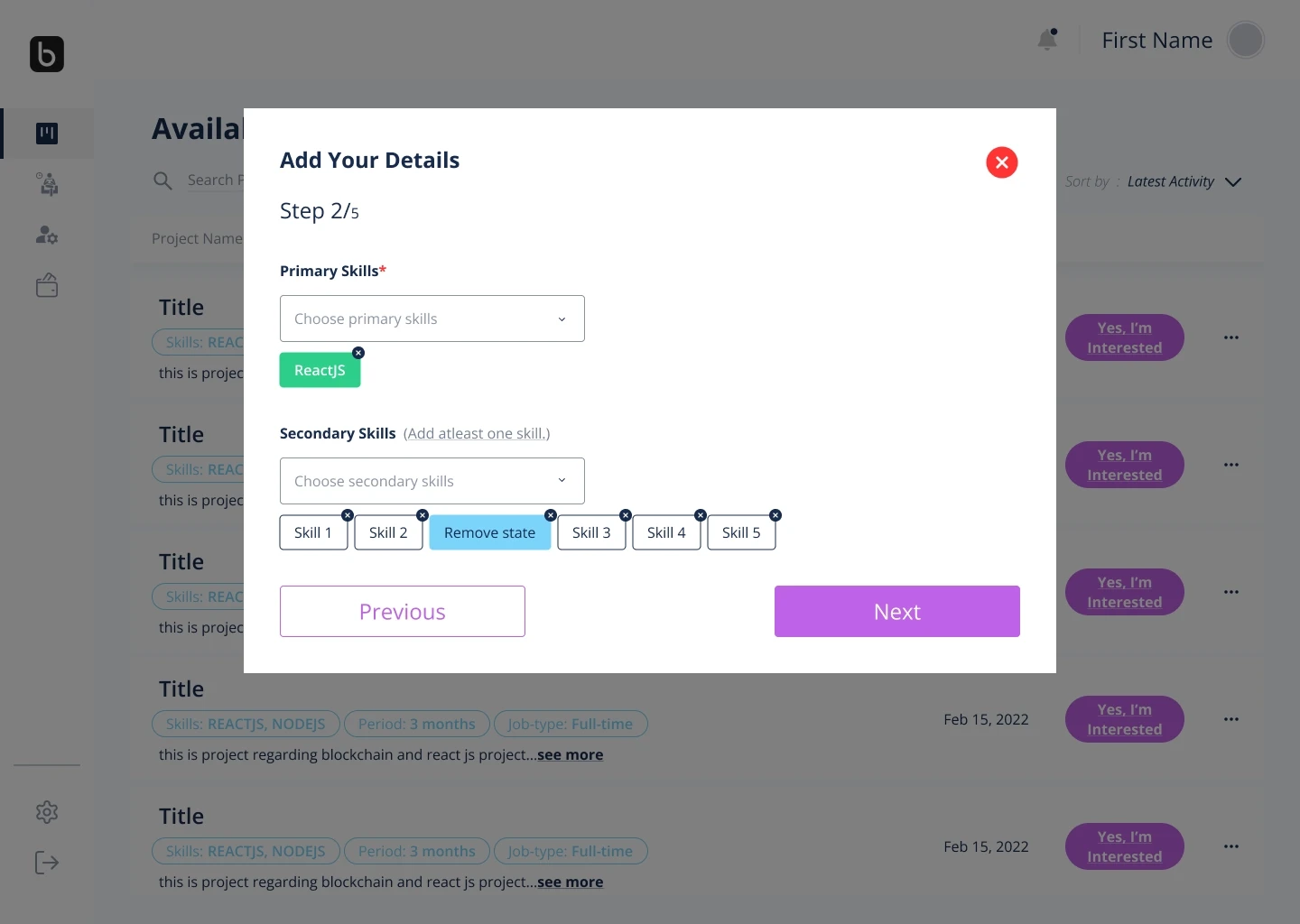
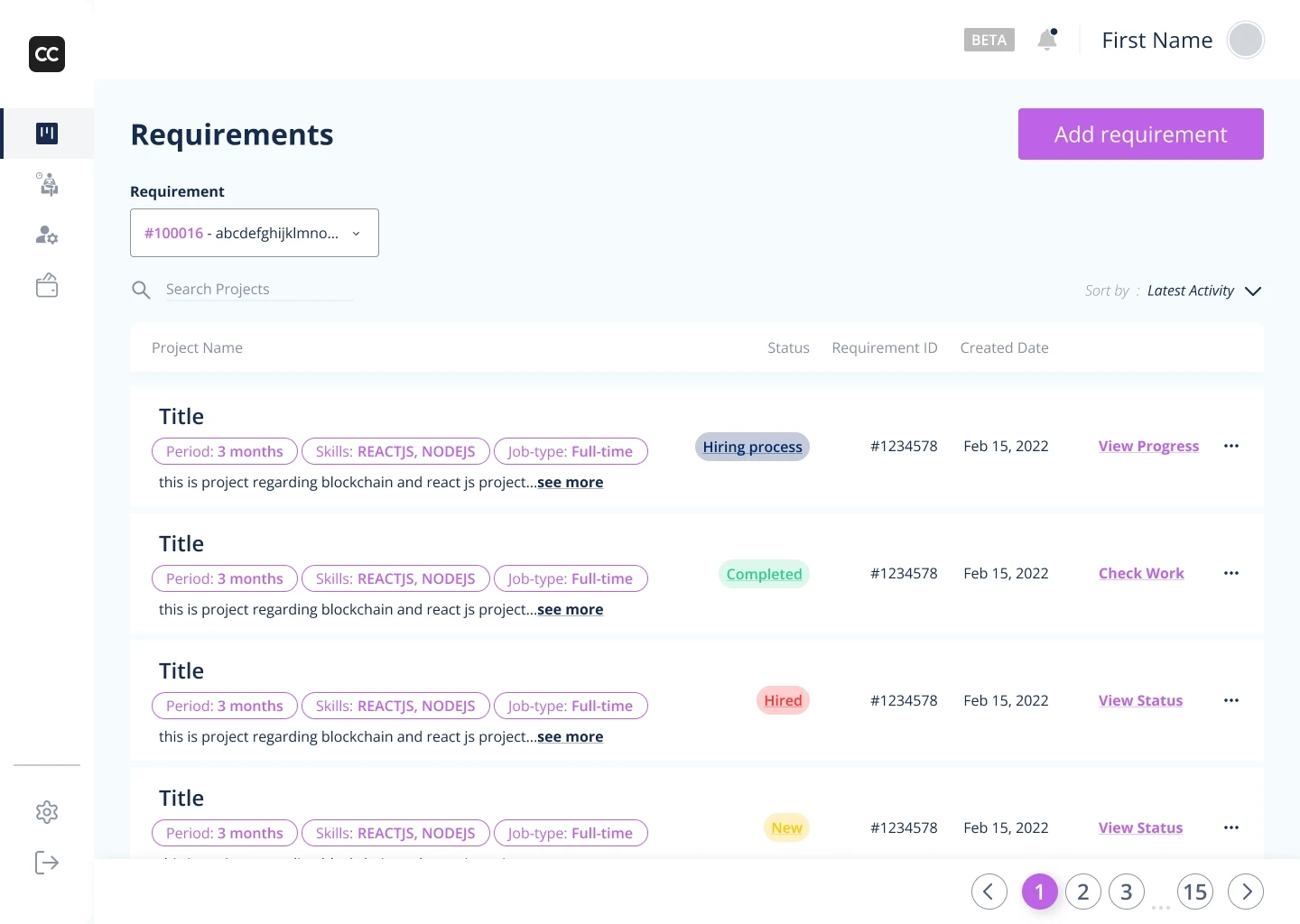
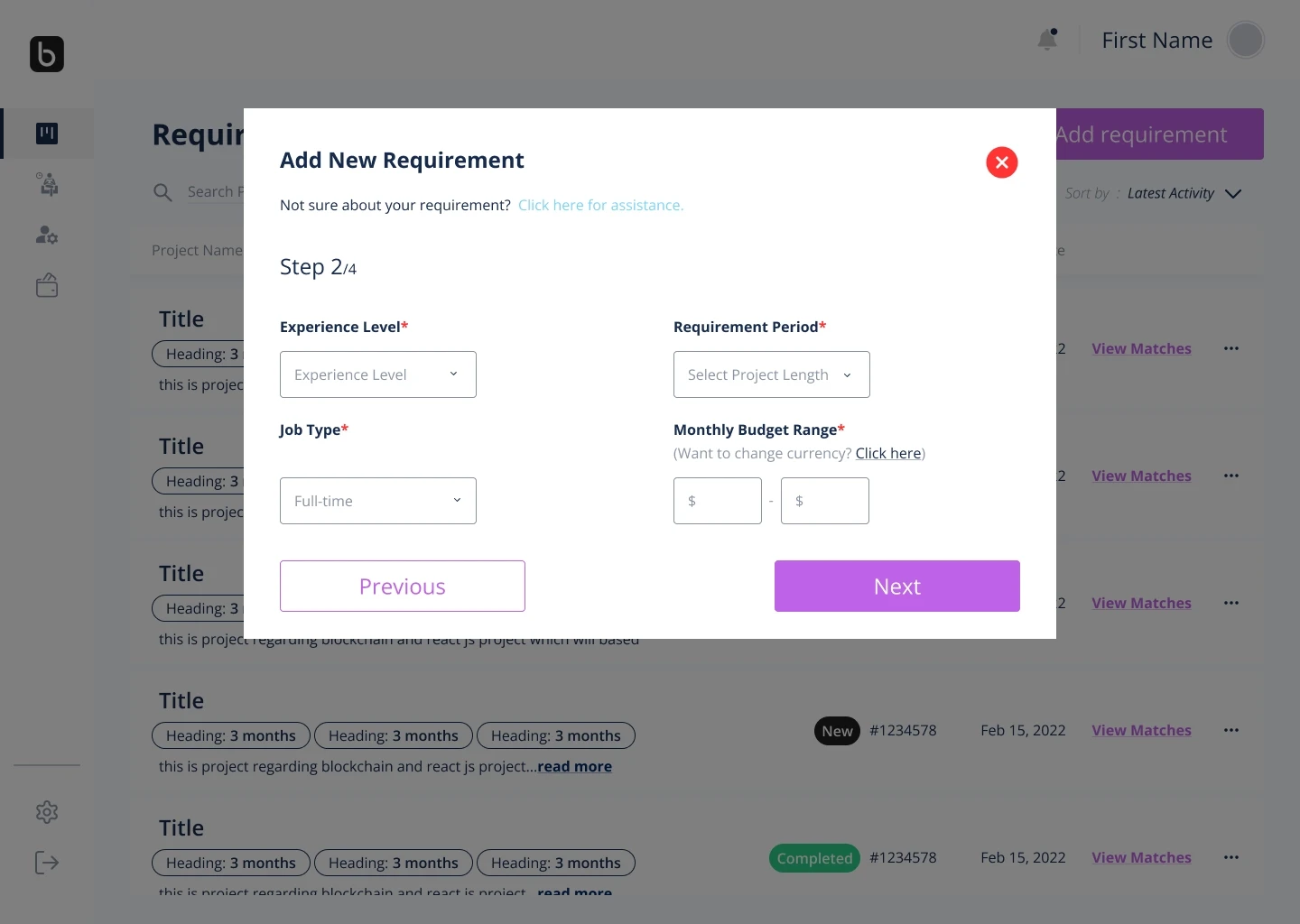
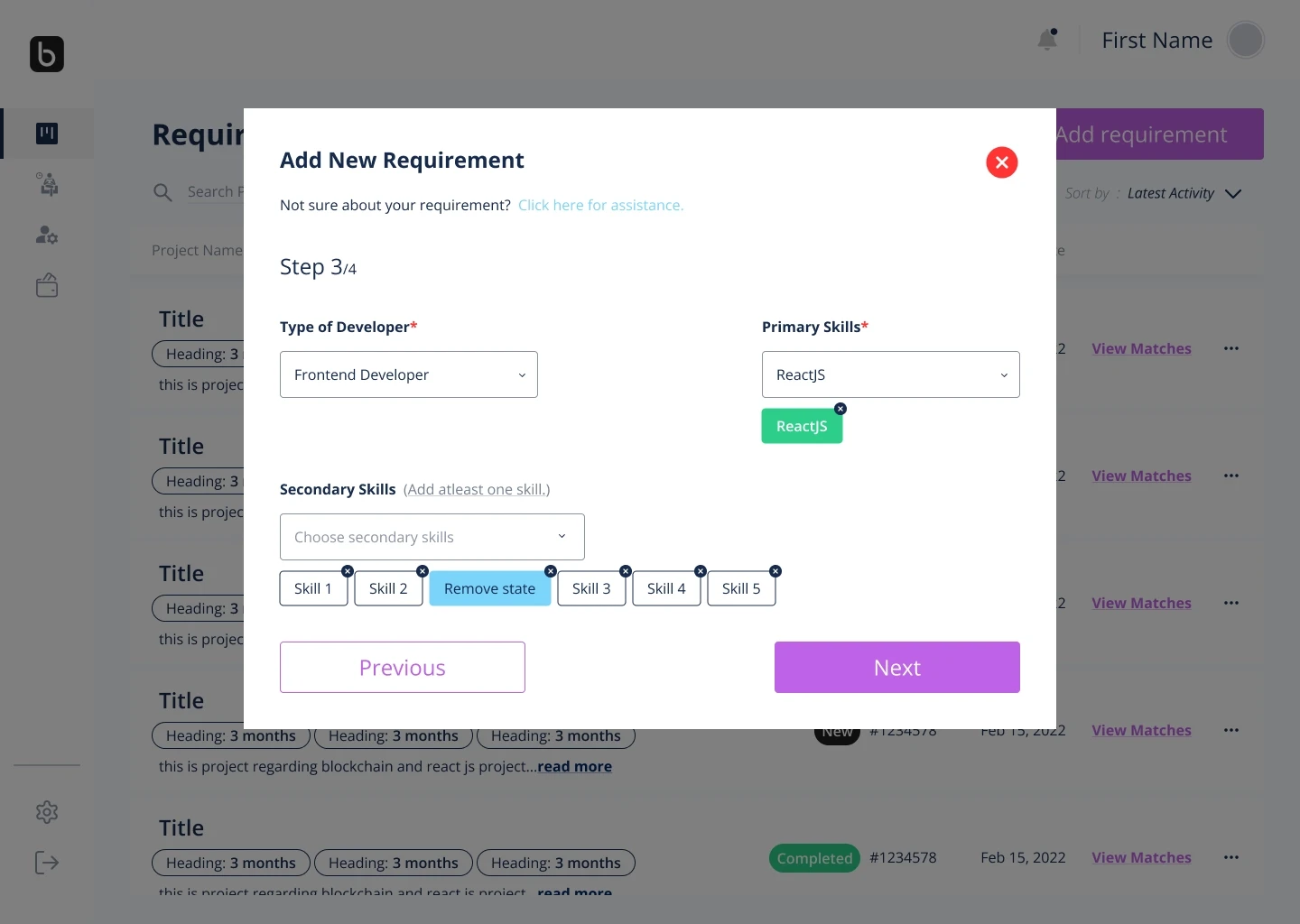
I then mapped the entire user flow to identify key actions for each role. Once the structure was in place, I moved into wireframes and high-fidelity mockups, focusing on creating a clear visual hierarchy and logical layout.
Frequent brainstorming sessions with the PM helped refine the design details and align them with the business vision. Informal usability testing with peers helped me catch small usability issues and fine-tune the interface for clarity.
🧐Outcomes
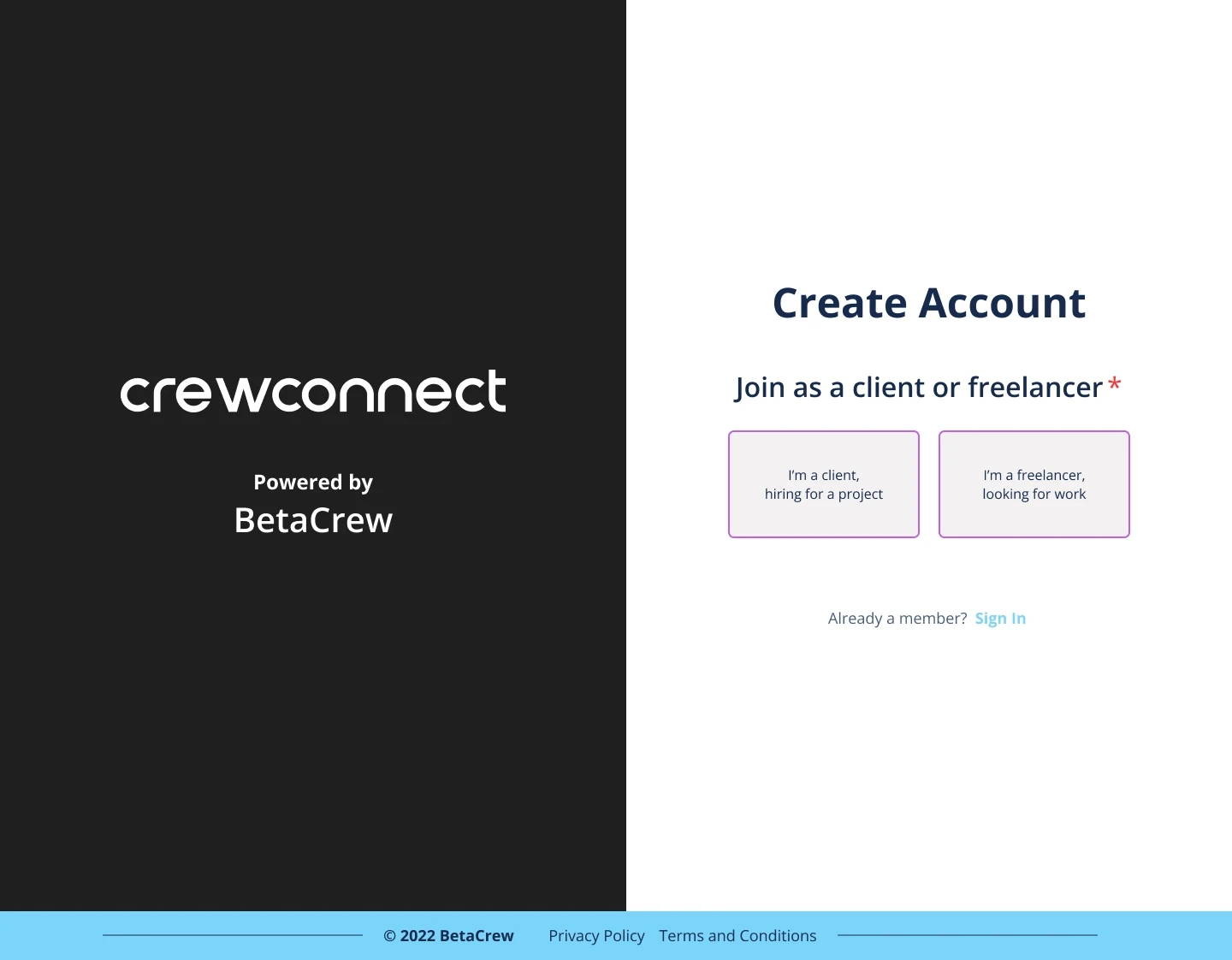
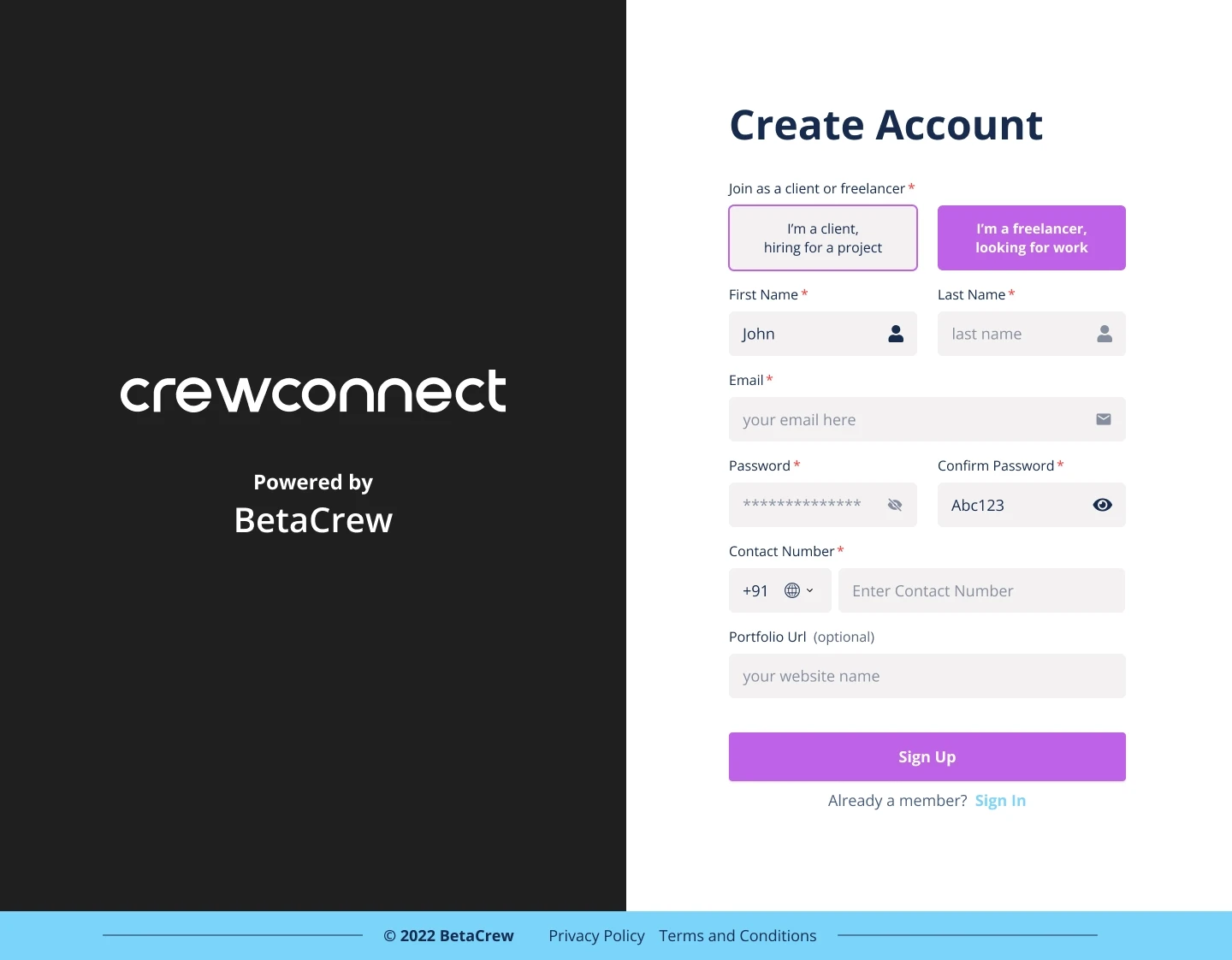
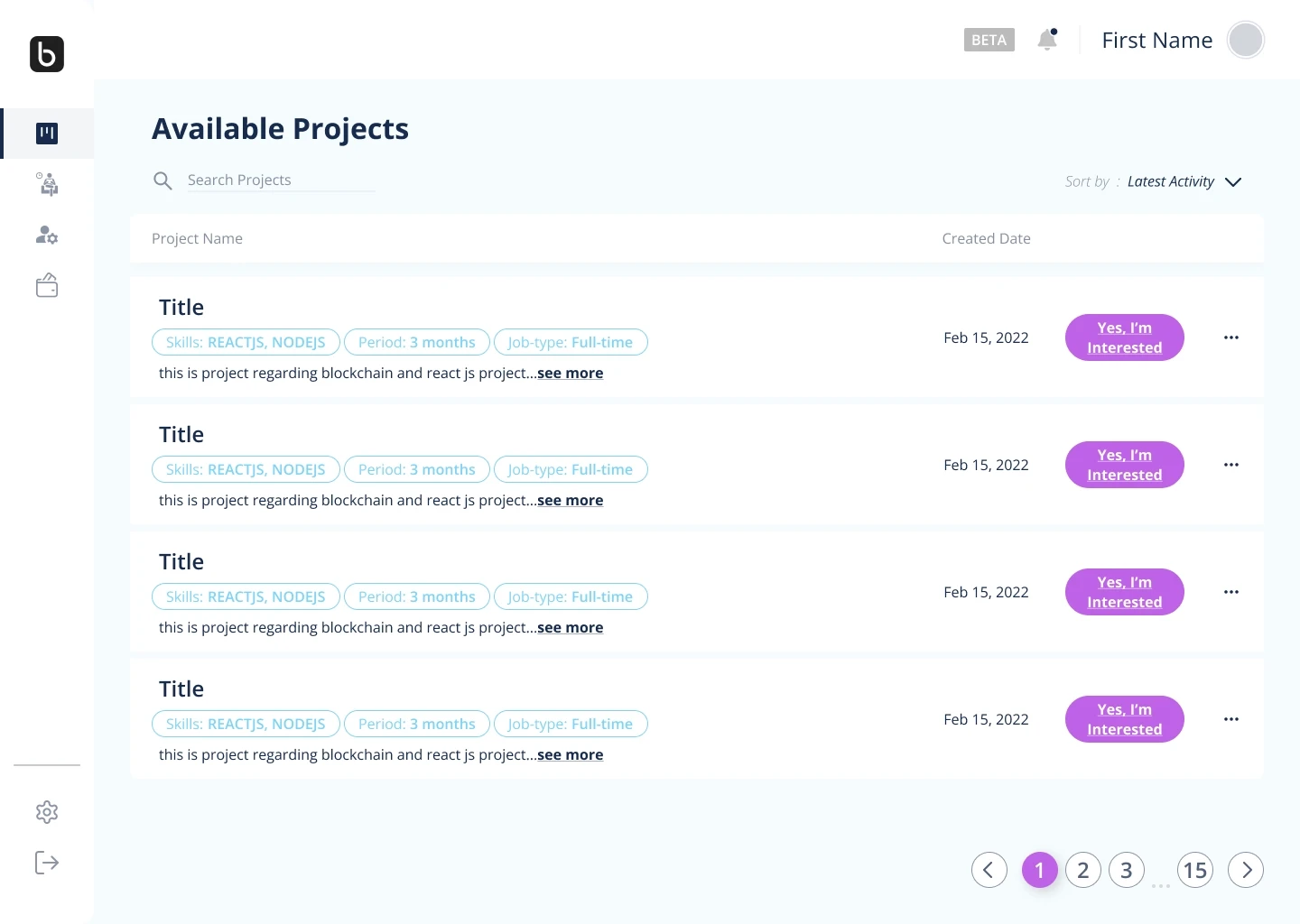
The final design simplified navigation across multiple user roles and made onboarding and communication between clients and developers seamless. A cohesive visual design and well-organized structure made the dashboard easy to scale and intuitive for first-time users.
🧠Learning
Working on a complex dashboard taught me how to structure multi-role user systems with clarity.
Collaboration and communication became key to success — especially when working remotely with limited access to internal data.
Designing without direct research access pushed me to rely on logic, intuition, and continuous feedback, which strengthened my design judgment.
I learned how to balance functionality and aesthetics, ensuring each design decision supported user goals while maintaining visual harmony.
Conclusion
This project challenged me to think beyond screens — to design a system that connects people, not just processes. It was my first dashboard project, and it gave me a deeper appreciation for the balance between information architecture, usability, and collaboration within fast-moving startups.